Student Depression
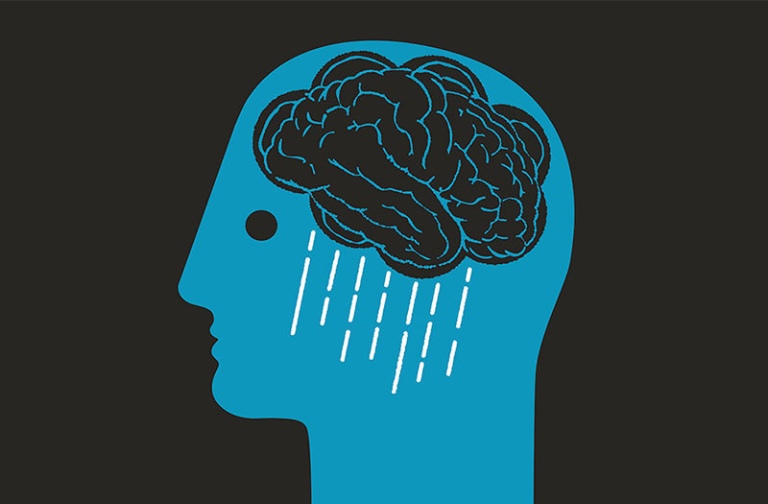
In recent years, the prevalence of depression among university‐aged students has risen to alarming levels, driven by intense academic competition, financial stressors, and shifting social dynamics. Left unaddressed, student depression can impair cognitive function, reduce academic performance, and increase the risk of long‐term mental health complications. Early identification and intervention are therefore critical—not only to support individual well‐being, but also to foster healthier learning environments and reduce institutional dropout rates.
To explore the multifactorial determinants of student depression and build predictive models capable of flagging at‐risk individuals, we employ the "Student Depression Dataset" sourced from Kaggle. This dataset comprises 27,901 survey responses and 18 features collected from university students around the world. Key attributes include demographic information (age, gender, city), academic metrics (CGPA, study hours, academic pressure), lifestyle factors (sleep duration, dietary habits, work/study hours), psychosocial variables (job satisfaction, financial stress, family history of mental illness), and ultimately a binary Depression_Status label indicating whether the respondent self-reported depressive symptoms.